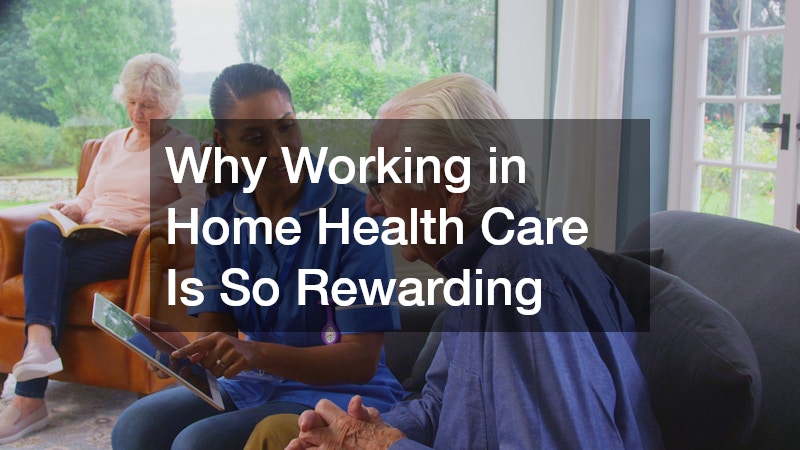

Home health care is profoundly rewarding because it allows caregivers to make a personal impact and develop meaningful relationships. Additionally, it offers career growth and diverse skill development opportunities, which we will explore further in this article.
What Makes Home Health Care Fulfilling?
Personal Satisfaction
The primary reward of working in home health care is personal satisfaction. Caregivers witness the positive impact they have on clients’ lives, enabling them to stay in their homes and maintain independence, leading to immense joy and fulfillment.
Impact on Patients’ Lives
Caregivers positively impact patients by providing personalized care, leading to better mental and emotional health. For many, the caregiver becomes a vital source of comfort and support, enhancing the patient’s quality of life. By fostering such connections, caregivers can make a significant difference in patient satisfaction and happiness.
Building Personal Connections
Deep, lasting bonds often form between caregivers and clients, creating a sense of community and shared experiences. These connections enhance care outcomes as trust and understanding grow over time. A strong caregiver-patient relationship often leads to improved compliance with medical advice.
How Do Home Health Care Professionals Grow?
Skill Development
Home health care professionals develop diverse skills, from technical abilities like medication management to soft skills like empathy and communication, all valuable across various areas of life. These versatile skills are applicable even beyond the health care sector.
Career Progression
There are many career advancement opportunities in home health care. Starting as caregivers, individuals can rise to senior roles, bolstered by further training and certifications, enhancing career prospects and earning potential. Many find personal fulfillment in contributing to the well-being of others.
Continuous Learning
Ongoing education is essential in home health care. Continuous learning improves caregivers’ skills, ensuring high-quality patient care and keeping professionals updated with the latest practices and technologies.
What Challenges Do Home Health Care Workers Face?
Emotional Demands
The personal connections in home health care can lead to emotional challenges. Caregivers often use strategies like mindfulness and support groups to manage stress, aided by supportive networks. Building these connections can significantly enhance the caregiving experience for both the caregiver and the person receiving care.
Physical Strain
Physical demands in caregiving require maintaining health and fitness. Proper body mechanics and organizations’ support in training help reduce the physical toll and ensure career longevity. Engaging in regular physical exercise is essential to managing the physically taxing nature of the job.
Managing Work-Life Balance
Balancing professional and personal life is crucial. Strategic scheduling and employer support through flexible arrangements help maintain a healthy work-life balance. Setting clear boundaries between work and personal time is key to achieving this balance.
Why Is Home Health Care Essential?
Contribution to the Healthcare System
Home health care is vital for providing personalized care, easing hospital burdens, reducing costs, and enhancing patient outcomes, supporting the emphasis on patient-centered care models.
Providing Comfort and Dignity
Caregivers ensure patients receive dignified, personalized care in their own homes, respecting individual preferences and enhancing trust and cooperation in caregiving relationships.
Accessibility and Convenience
For those with mobility challenges, home health care ensures they receive necessary assistance at home, maintaining well-being and adherence to care plans without travel stress. This approach empowers individuals to live more independently while managing their health.
What Are the Rewards of Working in Home Health Care?
Emotional and Psychological Rewards
Caregivers experience emotional satisfaction and purpose from enhancing patients’ life quality, leading to job satisfaction and personal growth. The close bonds formed with patients often become a cornerstone of caregivers’ professional fulfillment.
Financial Incentives
Home health care offers competitive compensation, with opportunities for bonuses and career advancement as demand for skilled professionals grows, providing financial stability. This career path often provides a sustainable livelihood and long-term career prospects.
Recognition and Appreciation
Caregivers receive appreciation from patients and professional acknowledgment, fostering a supportive environment and a sense of pride in their invaluable work. Such recognition can significantly uplift a caregiver’s confidence and dedication.
Working in home health care is rewarding due to the profound impacts it has on both patients and professionals. Personal satisfaction and skill development make this career fulfilling. While there are challenges, the benefits overshadow them. Home health care is crucial for dignity and accessibility in healthcare, offering immense value to caregivers and patients.