
Navigating local support networks can feel overwhelming without a clear roadmap. Whether you are managing a complex health condition, assisting an aging parent with home accessibility, or actively seeking a career transition, knowing where to turn in your immediate community is essential. Finding reliable care and education is not simply about searching through online directories; it requires knowing how to evaluate options, ask the right questions, and integrate disparate services into a cohesive plan for long-term well-being.
This comprehensive guide brings together vital information across healthcare, specialized medicine, home mobility, and career training. By leveraging verified community services and professional guidance close to home, individuals and families can safeguard their physical health, restore independence in their living spaces, and unlock valuable new career opportunities.
Establishing a Strong Foundation in Everyday Health and Wellness
Living a fulfilling life filled with vitality and enthusiasm is closely linked to the regular and proactive care of our physical health. This means that adopting a routine health care regimen is crucial for maintaining a high quality of life. When individuals choose to postpone or neglect essential health maintenance, seemingly minor health issues can, over time, escalate into significant, complicated, and often expensive medical challenges. This is why it is of utmost importance to actively engage in health care routines and monitoring.
One of the primary ways to ensure long-term wellness is by building strong and lasting relationships with primary care professionals, such as doctors, nurses, or other healthcare specialists. By doing so, individuals can benefit from personalized medical advice and support tailored to their unique health needs. Establishing these relationships early on in life allows healthcare providers to understand one’s medical history thoroughly, which plays a crucial role in effective healthcare management.
How to Find Preventive Care That Fits Your Family Schedule and Budget
Maintaining optimal oral and general health requires a combination of disciplined home habits and professional oversight. Dental hygiene, in particular, is directly linked to systemic health, influencing cardiovascular function, diabetes management, and overall immune response.
To build a reliable routine for wellness:
- Research community health centers and private offices that accept your insurance plan or offer income-based sliding-scale fees.
- Evaluate prospective providers based on patient communication, emergency availability, and flexible scheduling options for working families.
- Prioritize routine preventive checkups every six months with qualified dentists to identify early signs of decay, gum disease, or oral tissue changes.
- Establish a home care routine that includes twice-daily brushing with fluoride toothpaste and daily flossing to prevent plaque accumulation.
Taking an active role in routine care reduces emergency room visits and creates a continuous medical history that helps providers deliver personalized care.
Steps to Recognize and Address Early Auditory Changes
Hearing health is another critical component of overall well-being that is frequently overlooked. Age-related or noise-induced hearing loss usually develops gradually, making it difficult to detect in its earliest stages. Left unaddressed, untreated hearing impairment can lead to social isolation, cognitive decline, and increased risk of accidental injury.
Recognizing early warning signs allows individuals to seek timely intervention:
- Pay attention to subtle clues, such as frequently asking people to repeat themselves, turning the television to high volume, or struggling to follow conversations in crowded environments.
- Schedule a comprehensive audiometric assessment with an experienced hearing aid doctor to evaluate pure-tone thresholds and speech recognition capabilities.
- Review device options carefully, comparing style, battery life, Bluetooth connectivity, and background noise filtration features.
- Inquire about trial periods and ongoing calibration services to ensure the chosen device adapts comfortably to your daily environment.
Early diagnosis and proper device fitting dramatically improve communication, preserving strong social connections and mental sharpness.
Specialized Care for Complex Medical and Behavioral Needs
When health challenges exceed the scope of primary care, access to targeted medical expertise becomes critical. Specialized practitioners diagnose underlying pathologies, manage chronic conditions, and provide evidence-based interventions tailored to individual needs.
Protecting Circulatory Health and Managing Chronic Vascular Conditions
The vascular system—composed of arteries, veins, and lymphatic vessels—is responsible for circulating blood throughout the body. Conditions affecting this system, such as peripheral artery disease, varicose veins, or deep vein thrombosis, can severely restrict mobility and cause significant discomfort if left untreated.
Managing vascular health requires a proactive approach:
- Monitor for persistent physical symptoms, including leg cramping during walking, chronic lower extremity swelling, non-healing foot ulcers, or skin discoloration.
- Request a referral to a board-certified vascular specialist when symptoms indicate reduced peripheral blood flow or structural vein abnormalities.
- Participate in non-invasive diagnostic testing, such as duplex ultrasound or ankle-brachial index measurements, to evaluate circulation accuracy.
- Adopt non-surgical lifestyle modifications, including structured walking programs, compression therapy, dietary adjustments, and smoking cessation.
Early intervention preserves limb function, reduces pain, and lowers the risk of serious cardiovascular events.
Identifying Evidence-Based Strategies for Mental Health Support
Mental health is inseparable from physical well-being. Chronic mental health conditions can disrupt sleep, weaken the immune system, and strain personal and professional relationships. Seeking structured, evidence-based care is a necessary step toward emotional stability and personal resilience.
Key strategies for managing mental health effectively include:
- Distinguishing between temporary daily stress and persistent, debilitating conditions that interfere with work, family life, or physical health.
- Seeking specialized counseling or clinical evaluation to access targeted anxiety treatment, such as cognitive-informed therapies or medication management.
- Developing a personalized coping toolkit that includes stress reduction exercises, regular physical activity, and structured sleep hygiene.
- Connecting with local support groups or community health clinics that offer affordable, confidential mental health resources.
With the right treatment plan and ongoing support, individuals can regain control over their daily routines and experience a higher quality of life.
Targeted Interventions for Long-Term Recovery and Legal Advocacy
Overcoming complex life challenges often requires a dual approach: clinical support for personal rehabilitation and legal guidance to safeguard financial and personal rights. Tapping into structured local resources ensures individuals receive comprehensive care during critical life transitions.
How to Navigate Substance Recovery Options in Your Area
Substance use disorders affect every aspect of an individual’s life, as well as their families and broader communities. Achieving sustained recovery requires a multi-faceted approach that addresses both the physical and psychological components of dependency.
When evaluating local recovery services, consider the following steps:
- Learn about the different levels of care, including medical detoxification, residential treatment centers, intensive outpatient programs, and sober living arrangements.
- Seek facilities that offer medically supervised care alongside evidence-based therapy for holistic addiction treatment.
- Evaluate programs based on their inclusion of dual-diagnosis care, which addresses co-occurring mental health conditions alongside chemical dependency.
- Build a strong post-treatment continuing care plan incorporating peer support networks, family counseling, and community-based recovery groups.
A tailored recovery strategy provides the structure, accountability, and clinical oversight needed to achieve lasting health and stability.
Protecting Your Rights and Financial Security During Long-Term Illness
When severe medical conditions or injuries prevent an individual from maintaining gainful employment, securing disability benefits becomes vital for financial survival. Navigating public assistance systems, however, can be complex, time-consuming, and emotionally draining.
To navigate the application process effectively:
- Document all medical conditions thoroughly, keeping detailed records of physician visits, diagnostic test results, treatment plans, and work limitations.
- Prepare for initial application delays or rejections, which are common across state and federal benefit programs.
- Consult experienced disability lawyers who specialize in reviewing medical files, filing timely appeals, and representing claimants at administrative hearings.
- Explore local legal aid organizations and pro-bono clinics if private legal representation is beyond your financial reach.
Professional legal advocacy helps ensure claims are properly presented, significantly increasing the likelihood of securing approved benefits and necessary financial relief.
Modern Solutions for Aging in Place and Home Mobility
Maintaining independence at home is a top priority for aging adults and individuals recovering from major surgeries or living with mobility limitations. Modern assistive devices and structural home modifications make it possible to navigate living spaces safely and comfortably.
Upgrading Personal Mobility Equipment for Safe Daily Navigation
Selecting the right mobility device depends on individual physical capabilities, home layout, and daily activities. Using ill-fitting or improper equipment can increase fall risks and cause unnecessary physical strain.
Consider these factors when choosing personal mobility equipment:
- Conduct a thorough physical assessment with an occupational or physical therapist to determine precise support requirements.
- Explore reputable medical equipment vendors offering various wheelchairs for sale, comparing manual models, transport chairs, and motorized options.
- Ensure proper custom fitting, including seat width, back support, footrest placement, and cushion pressure relief to prevent pressure sores.
- Inquire about Medicare or private health insurance coverage options for durable medical equipment to help offset out-of-pocket costs.
Investing in properly fitted, high-quality mobility equipment restores personal autonomy and allows individuals to navigate their homes and communities with confidence.
Modifying Multi-Story Homes to Eliminate Fall Hazards
Multi-story homes present unique challenges for individuals with limited strength or joint mobility. Stairs are one of the most common locations for serious fall-related injuries among older adults. Modifying the home environment removes physical barriers and creates a safer living space.
To create an accessible, fall-resistant home environment:
- Conduct a comprehensive home safety audit to identify hazards such as loose rugs, inadequate lighting, and stairs lacking sturdy handrails.
- Install high-impact modifications, such as a smooth-operating stair lift, to enable safe movement between different levels of the home.
- Look for safety features when selecting mobility lifts, including automatic obstruction sensors, swivel seating, seatbelts, and battery backup systems.
- Investigate local aging-in-place grants, veteran benefit programs, and low-interest home adaptation loans to assist with funding installation costs.
Strategic structural modifications make it possible for individuals to remain safely in their homes for years to come.
Unlocking Career Growth and Vocational Training Opportunities
Local resources extend beyond healthcare and physical accessibility—they also encompass educational pathways that empower individuals to enter growing industries. Pursuing targeted vocational training enables career changers and aspiring professionals to acquire practical, high-demand skills quickly.
How to Launch a Fast-Growing Career in Personal Care and Wellness
The personal care and wellness sector continues to expand rapidly, driven by strong consumer demand for specialized skincare services and non-invasive treatments. Completing an accredited training program is the first step toward a flexible and rewarding career in this field.
To launch a successful career in personal wellness:
- Research accredited vocational institutions, ensuring the program curriculum meets state licensing standards and requirements.
- Enroll in a reputable esthetician school that provides hands-on instruction in skin analysis, facials, chemical peels, and sanitation protocols.
- Look for institutions that offer career placement assistance, practical clinical experience, and flexible day or evening class schedules.
- Develop a clear post-graduation plan, whether that involves joining an established salon, working in a medical spa, or starting an independent practice.
Professional certification in wellness and skincare provides a solid foundation for long-term career growth and business ownership.
Advancing Medical Skills for Specialized Aesthetic Practice
For licensed medical professionals, such as registered nurses and physician assistants, expanding into specialized aesthetic procedures offers an exciting avenue for career advancement and business diversification. Combining medical knowledge with advanced aesthetic techniques allows practitioners to meet growing patient demand for non-surgical treatments.
Steps to build a specialized aesthetic practice include:
- Confirm that advanced aesthetic procedures fall within your professional licensure and state regulatory scope of practice.
- Select accredited, hands-on injectable training courses covering facial anatomy, safety protocols, and precise technique execution.
- Gain thorough practical experience under expert supervision, mastering treatment planning and patient consultation strategies.
- Establish comprehensive medical protocols, secure appropriate malpractice insurance, and stay updated on evolving industry standards.
Adding specialized aesthetic certifications enables medical professionals to expand their clinical skill set and build thriving, patient-centered practices.
Building a Stronger Future Through Community Connections
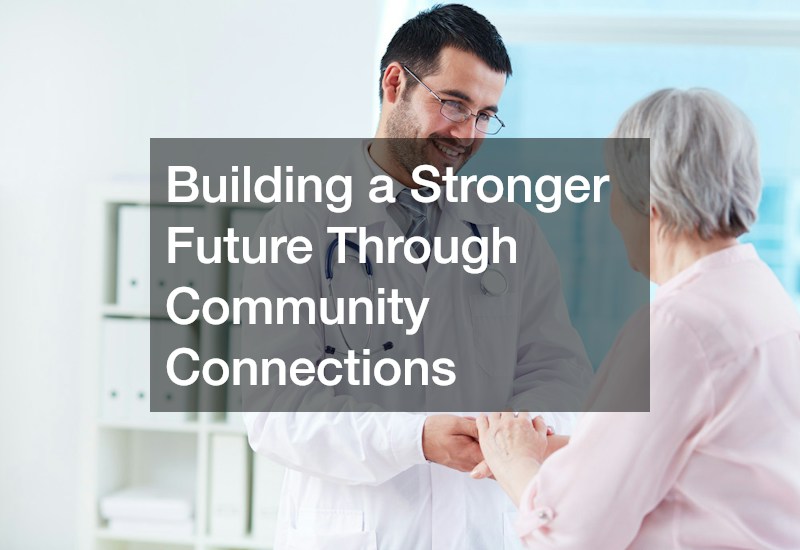
Tapping into local resources is one of the most effective ways to improve health, protect independence, and achieve personal and professional goals. Whether you are seeking specialized medical care, upgrading your home for safety, or pursuing new vocational skills, local institutions and qualified professionals provide the tools necessary to thrive.
Taking the first step often involves simple, proactive measures: reaching out for a professional consultation, scheduling a health screening, auditing your home for safety, or researching local educational programs. By connecting with trusted community providers and leveraging available services, you can create a safer, healthier, and more fulfilling environment for yourself and your family. Share these insights with friends, neighbors, and loved ones to help build a well-informed, supportive community network.